🔹 Overview
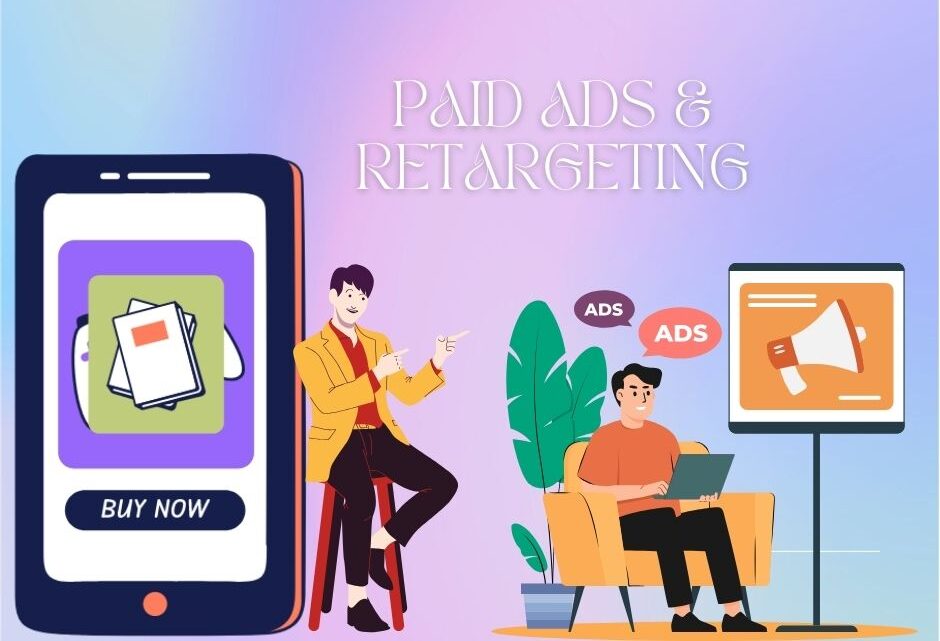
Paid Ads & Retargeting refer to online advertising strategies that involve paying for placements across digital platforms and then re-engaging users who have previously interacted with your brand. The goal is to drive awareness, conversions, and retention by placing your message in front of the right audience at the right time.
📣 What Are Paid Ads (Really)?
Paid ads are exactly what they sound like: you pay to get your product, service, or brand in front of people online.
You’re essentially buying space to say:
👉 “Hey! Look at this. It might be exactly what you need.”
This could be on:
- Google (when someone searches for something)
- Facebook, Instagram, TikTok (while people scroll)
- YouTube (before or during a video)
- Websites (banner ads)
- Shopping platforms (like Google Shopping or Amazon)
Instead of waiting for people to find you, you go to them — directly.
🔑 Why Use Paid Ads?
Because attention is hard to get.
Social media is noisy. Search results are crowded. People are distracted.
Paid ads cut through the clutter.
You can:
- Get in front of the right people fast
- Target very specific audiences (like 30-year-old dog lovers who live in Chicago)
- Promote time-sensitive offers
- Drive traffic to your website, sales page, or product
Basically, if you want control and speed, paid ads give you both.
📌 The Main Types of Paid Ads (Made Simple)
1. Search Ads (Google Ads)
- Show up when someone searches for a product/service.
- Example: You sell hiking boots. Someone Googles “best hiking boots” — your ad pops up at the top.
2. Social Media Ads
- Ads that show while people scroll Instagram, Facebook, TikTok, LinkedIn, etc.
- These can be photos, videos, carousels, or even Stories.
- Great for visual products or storytelling.
3. Display Ads
- Banner/image ads that appear on websites (news sites, blogs, etc.).
- Great for brand awareness and retargeting.
4. Shopping Ads
- For physical products — people see your product photo, name, price, and ratings right in the search results.
5. Video Ads
- Think YouTube or in-feed video ads.
- Great for demos, tutorials, or telling your brand story in 30–60 seconds.
🔄 What Is Retargeting?
Okay — now for the magic trick behind the best ad campaigns:
Retargeting is the strategy of showing ads specifically to people who already interacted with your business.
They might have:
- Visited your website
- Added something to their cart
- Watched a video
- Clicked on your ad but didn’t buy
- Followed you on Instagram
🔧 How Retargeting Works (Plain English)
- You add a tracking pixel to your website (from Facebook, Google, etc.).
- When someone visits your site, the pixel tracks them (anonymously).
- Now, you can show ads just to those people, wherever they go online.
- You can even customize the ads depending on what they did:
- Visited your homepage → Show them a general brand ad
- Added product to cart → Show that product again + a discount
- Watched a video → Invite them to sign up or learn more
🧠 Paid Ads + Retargeting = The Full Picture
Here’s how they work together:
| Step | Strategy | Goal |
|---|---|---|
| 1. Attract | Paid ads bring new people in | Awareness |
| 2. Engage | Visitors explore your content/products | Interest |
| 3. Remind | Retargeting brings warm leads back | Conversion |
Think of it like dating:
- Paid ads = the introduction
- Retargeting = the follow-up text that keeps the conversation going
✅ Best Practices (That Actually Work)
For Paid Ads:
- Use clear visuals and strong headlines
- Keep your message simple
- Have a clear call-to-action (e.g., Shop Now, Learn More, Book Today)
- Make sure your landing page matches your ad
- Test different versions (A/B testing)
For Retargeting:
- Segment your audience by behavior (cart abandoners, blog readers, video viewers)
- Offer incentives (discounts, free trials, bonuses)
- Use urgency or social proof
- Don’t bombard people — set frequency limits
- Update your creatives regularly to avoid ad fatigue
🧾 Real-World Example
Let’s say you own a skincare brand.
- You run a paid Instagram ad that shows off your bestselling product — a vitamin C serum.
- 5,000 people click to your website, but only 100 buy.
- Now, you create a retargeting ad that says: “Still thinking about glowing skin? Our Vitamin C Serum is 15% off for the next 24 hours.”
- That ad shows only to people who visited your site in the past week.
- Conversions go up, because you didn’t let potential customers forget about you.
💬 Final Thoughts
- Paid ads get your name out there fast.
- Retargeting brings back the people who almost converted — and helps you close the deal.
Together, they’re one of the most effective ways to grow your business online — if you do it with strategy, patience, and a real understanding of your audience.
Conclution
Abhinav RS, as a Freelance Digital Marketer with The knowledge of Paid Advertising and Retargeting strategies. The Blog covers how to create and manage ad campaigns across platforms like Google Ads and social media, target specific audience segments, set budgets, and measure performance through key metrics. Freshers also learn how to implement effective retargeting techniques to re-engage users who have previously interacted with a website or ad, maximizing conversion opportunities and return on investment.