🔹Overview
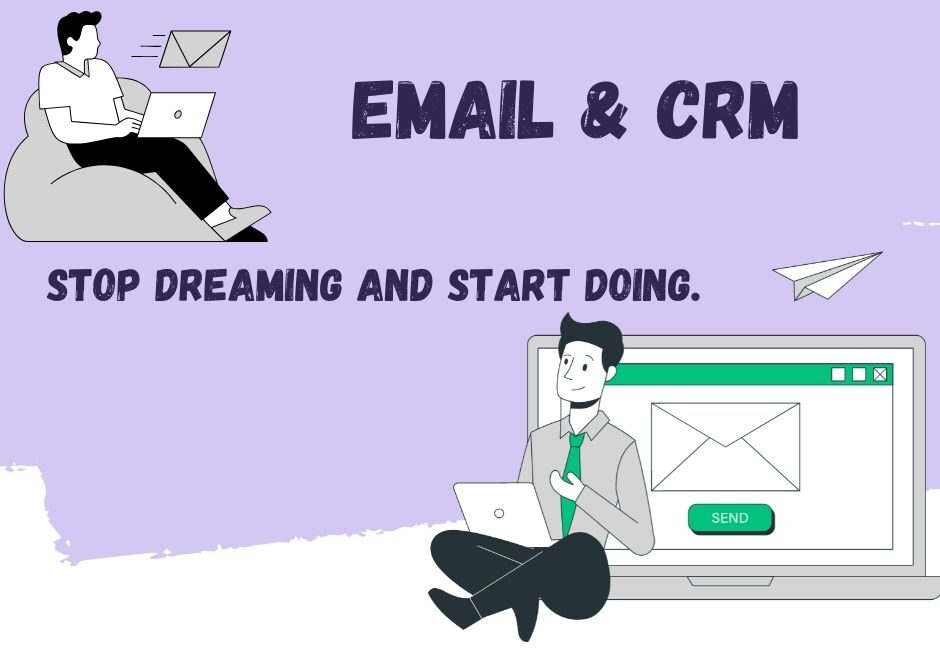
Email & CRM Marketing refers to the strategic use of email campaigns and customer relationship management (CRM) systems to build, maintain, and grow relationships with customers. It combines the personalization and targeting power of email with the data and automation capabilities of CRM software to drive customer engagement, loyalty, and revenue.
Key Components
1. Email Marketing
Email marketing involves sending targeted messages to a group of recipients with the intent to:
- Promote products or services
- Build brand awareness
- Nurture leads
- Retain existing customers
- Drive conversions and revenue
Types of Email Campaigns:
- Promotional emails: Sales, special offers, product launches
- Transactional emails: Order confirmations, receipts, shipping updates
- Lifecycle emails: Welcome series, onboarding, re-engagement
- Newsletter emails: Regular updates, blog content, company news
- Behavioral/triggered emails: Based on user behavior (e.g., cart abandonment, site visits)
2. CRM Marketing
CRM (Customer Relationship Management) marketing is the process of using customer data collected in a CRM platform to:
- Understand customer behavior
- Segment audiences
- Personalize communications
- Automate customer journeys
- Track interactions and performance
Popular CRM platforms include Salesforce, HubSpot, Zoho CRM, Microsoft Dynamics, and Klaviyo.
Core Features & Functions
✅ Segmentation & Targeting
- Divide customers based on demographics, behavior, purchase history, engagement level, etc.
- Target specific groups with tailored messages for higher relevance and effectiveness.
✅ Personalization
- Use customer names, preferences, and past interactions to personalize subject lines, content, and product recommendations.
- Improves open rates, CTRs, and customer satisfaction.
✅ Automation
- Create workflows that send emails automatically based on triggers (e.g., sign-up, purchase, inactivity).
- Reduces manual workload while maintaining consistent engagement.
✅ Analytics & Reporting
- Track open rates, click-through rates, conversions, bounce rates, and unsubscribe rates.
- Use data to optimize campaigns, A/B test subject lines/content, and measure ROI.
✅ Customer Lifecycle Management
- Map out customer journey stages (awareness, consideration, purchase, loyalty).
- Deliver the right message at the right time to guide customers along this path.
Benefits
- Higher ROI: Email marketing consistently delivers one of the highest returns among digital channels.
- Customer Retention: Keeps your brand top of mind and nurtures long-term loyalty.
- Increased Efficiency: Automation reduces time and effort while improving consistency.
- Better Insights: CRM tools offer deep insights into customer behavior and campaign performance.
- Personalized Experiences: Drives engagement through relevant content tailored to each user.
Best Practices
- Build and maintain a clean, opt-in email list.
- Always provide value—don’t just sell.
- Optimize for mobile devices.
- Test and analyze regularly (A/B testing).
- Ensure compliance with data privacy laws (e.g., GDPR, CAN-SPAM).
- Use clear CTAs (Calls to Action).
- Keep frequency consistent but not overwhelming.
Real-World Use Cases
- E-commerce: Abandoned cart recovery, product recommendations, post-purchase follow-ups
- SaaS: Onboarding emails, feature updates, usage nudges
- B2B: Lead nurturing, event invitations, thought leadership content
- Hospitality: Booking confirmations, loyalty rewards, seasonal offers
Conclution
Abhinav RS, as a Freelance Digital Marketer i Provide fundamentals of Email Marketing and CRM (Customer Relationship Management) Marketing. This blog covers how to craft effective email campaigns, segment audiences, automate communication flows, and analyze campaign performance. Freshers also Know how to use CRM tools to manage customer data, track engagement, and build personalized marketing strategies that drive retention and loyalty.