Paid Ads & Retargeting
🔹 Overview
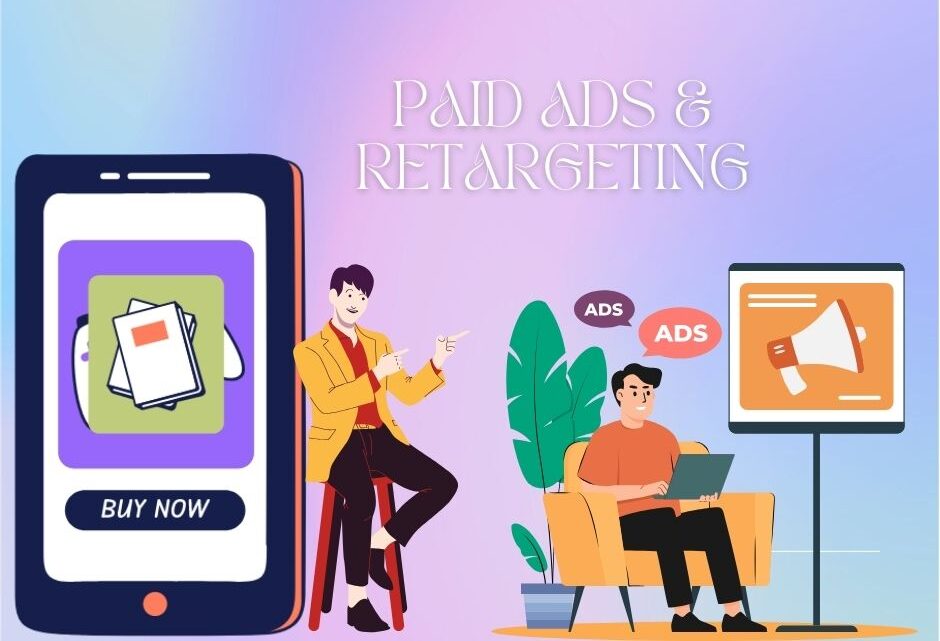
Paid Ads & Retargeting refer to online advertising strategies that involve paying for placements across digital platforms and then re-engaging users who have previously interacted with your brand. The goal is to drive awareness, conversions, and retention by placing your message in front of the right audience at the right time.
📣 What Are Paid Ads (Really)?
Paid ads are exactly what they sound like: you pay to get your product, service, or brand in front of people online.
You’re essentially buying space to say:
👉 “Hey! Look at this. It might be exactly what you need.”
This could be on:
- Google (when someone searches for something)
- Facebook, Instagram, TikTok (while people scroll)
- YouTube (before or during a video)
- Websites (banner ads)
- Shopping platforms (like Google Shopping or Amazon)
Instead of waiting for people to find you, you go to them — directly.
🔑 Why Use Paid Ads?
Because attention is hard to get.
Social media is noisy. Search results are crowded. People are distracted.
Paid ads cut through the clutter.
You can:
- Get in front of the right people fast
- Target very specific audiences (like 30-year-old dog lovers who live in Chicago)
- Promote time-sensitive offers
- Drive traffic to your website, sales page, or product
Basically, if you want control and speed, paid ads give you both.
📌 The Main Types of Paid Ads (Made Simple)
1. Search Ads (Google Ads)
- Show up when someone searches for a product/service.
- Example: You sell hiking boots. Someone Googles “best hiking boots” — your ad pops up at the top.
2. Social Media Ads
- Ads that show while people scroll Instagram, Facebook, TikTok, LinkedIn, etc.
- These can be photos, videos, carousels, or even Stories.
- Great for visual products or storytelling.
3. Display Ads
- Banner/image ads that appear on websites (news sites, blogs, etc.).
- Great for brand awareness and retargeting.
4. Shopping Ads
- For physical products — people see your product photo, name, price, and ratings right in the search results.
5. Video Ads
- Think YouTube or in-feed video ads.
- Great for demos, tutorials, or telling your brand story in 30–60 seconds.
🔄 What Is Retargeting?
Okay — now for the magic trick behind the best ad campaigns:
Retargeting is the strategy of showing ads specifically to people who already interacted with your business.
They might have:
- Visited your website
- Added something to their cart
- Watched a video
- Clicked on your ad but didn’t buy
- Followed you on Instagram
🔧 How Retargeting Works (Plain English)
- You add a tracking pixel to your website (from Facebook, Google, etc.).
- When someone visits your site, the pixel tracks them (anonymously).
- Now, you can show ads just to those people, wherever they go online.
- You can even customize the ads depending on what they did:
- Visited your homepage → Show them a general brand ad
- Added product to cart → Show that product again + a discount
- Watched a video → Invite them to sign up or learn more
🧠 Paid Ads + Retargeting = The Full Picture
Here’s how they work together:
| Step | Strategy | Goal |
|---|---|---|
| 1. Attract | Paid ads bring new people in | Awareness |
| 2. Engage | Visitors explore your content/products | Interest |
| 3. Remind | Retargeting brings warm leads back | Conversion |
Think of it like dating:
- Paid ads = the introduction
- Retargeting = the follow-up text that keeps the conversation going
✅ Best Practices (That Actually Work)
For Paid Ads:
- Use clear visuals and strong headlines
- Keep your message simple
- Have a clear call-to-action (e.g., Shop Now, Learn More, Book Today)
- Make sure your landing page matches your ad
- Test different versions (A/B testing)
For Retargeting:
- Segment your audience by behavior (cart abandoners, blog readers, video viewers)
- Offer incentives (discounts, free trials, bonuses)
- Use urgency or social proof
- Don’t bombard people — set frequency limits
- Update your creatives regularly to avoid ad fatigue
🧾 Real-World Example
Let’s say you own a skincare brand.
- You run a paid Instagram ad that shows off your bestselling product — a vitamin C serum.
- 5,000 people click to your website, but only 100 buy.
- Now, you create a retargeting ad that says: “Still thinking about glowing skin? Our Vitamin C Serum is 15% off for the next 24 hours.”
- That ad shows only to people who visited your site in the past week.
- Conversions go up, because you didn’t let potential customers forget about you.
💬 Final Thoughts
- Paid ads get your name out there fast.
- Retargeting brings back the people who almost converted — and helps you close the deal.
Together, they’re one of the most effective ways to grow your business online — if you do it with strategy, patience, and a real understanding of your audience.
Conclution
Abhinav RS, as a Freelance Digital Marketer with The knowledge of Paid Advertising and Retargeting strategies. The Blog covers how to create and manage ad campaigns across platforms like Google Ads and social media, target specific audience segments, set budgets, and measure performance through key metrics. Freshers also learn how to implement effective retargeting techniques to re-engage users who have previously interacted with a website or ad, maximizing conversion opportunities and return on investment.
Social Media Growth
🔹 Overview
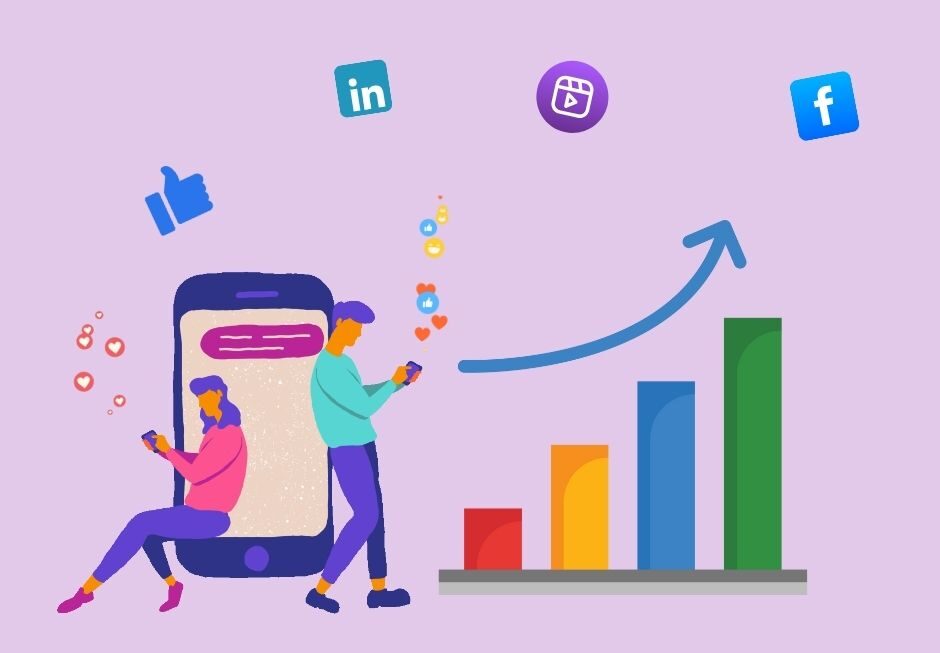
Social Media Growth is the process of increasing a brand’s presence, audience, engagement, and influence across social media platforms. It involves a combination of content strategy, audience targeting, community building, analytics, and sometimes paid amplification to build a loyal and engaged following that contributes to business goals.
What Is Social Media Growth (Really)?
Social media growth is the process of building your presence on platforms like Instagram, Facebook, TikTok, LinkedIn, Twitter (X), YouTube, and others — by increasing your followers, engagement, and influence over time.
But here’s the real truth:
It’s not just about the number of followers. It’s about building a community of people who actually care about what you post, who interact with you, and who trust your brand enough to buy from you, share your content, or stick around for the long run.
💬 Why Does Social Media Growth Matter?
In today’s world, social media isn’t just for fun — it’s your digital storefront, resume, customer service desk, and storytelling platform all in one.
Whether you’re a business owner, freelancer, content creator, or just building your personal brand, growth on social media helps you:
- Reach more people
- Build trust and credibility
- Drive traffic to your website or offers
- Sell products or services
- Stay relevant in your niche or industry
🔑 What Actually Drives Growth?
Let’s break it down into real, human strategies — not algorithm hacks.
1. Consistency
Posting once a week and disappearing won’t cut it. Growth comes from showing up regularly. That doesn’t mean you need to post every day — but you do need a rhythm.
- For example: 3–4 high-quality posts a week + daily Stories or quick updates
Think of it like watering a plant. A little every day does more than dumping a gallon once a month.
2. Value Over Virality
Forget chasing viral trends if they don’t match your message. Instead, focus on giving people something useful, entertaining, inspiring, or relatable.
Ask yourself:
- Does this post help someone?
- Does it solve a problem?
- Does it make them laugh, think, or feel something?
Growth happens when people want to follow you — not just like your post and keep scrolling.
3. Engagement Is a Two-Way Street
The fastest-growing accounts talk with people, not at them.
- Reply to comments
- Respond to DMs
- Ask questions in captions
- Comment on others’ posts (especially in your niche)
- Use polls, quizzes, or question stickers in Stories
People remember how you make them feel. Make them feel seen, and they’ll stick around.
4. Visuals That Stop the Scroll
You don’t need a professional camera — your phone is fine. But you do need to create content that stands out.
- Clear, bright photos
- Short, punchy videos
- On-brand colors or themes
- Easy-to-read text if using quotes or tips
You have about 1.5 seconds to grab someone’s attention. Make that first impression count.
5. Use the Right Features on Each Platform
Each social platform has its “favorites” — and they reward creators who use them.
- Instagram loves Reels and Stories
- TikTok pushes short-form, entertaining videos
- LinkedIn favors text-based posts with real-life insights
- Facebook still works for groups and longer posts
- YouTube? Long-form + Shorts = golden combo
Using the “native” tools gets you more reach.
6. Know Your Audience
Social media isn’t about you — it’s about them. Who are you trying to reach? What do they care about?
- Speak their language
- Post about topics they’re already thinking about
- Don’t just share what you want to post — share what they need or love to see
The better you know your audience, the faster you’ll grow — because your content will feel like it was made just for them (and it was).
7. Collaborate
Growth doesn’t happen in a vacuum. Partner with others in your niche.
- Go live with a creator
- Do shoutout-for-shoutout (S4S)
- Collaborate on giveaways
- Tag others when relevant
This cross-promotion helps you reach new audiences who already trust the person you’re collaborating with.
8. Use Hashtags — But Don’t Rely on Them
Hashtags are still helpful, especially on Instagram and TikTok. But don’t spam. Use a mix of:
- Niche-specific tags (#SustainableSkincare, #FreelanceLife)
- Community tags (#MomsWhoCreate, #WritersOfInstagram)
- Occasional trending tags, if relevant
But remember: hashtags help people find you — it’s your content that makes them follow you.
9. Be Real
People are tired of perfect. They want honest. Messy behind-the-scenes, your real voice, your wins and failures — it all builds trust.
Authenticity isn’t just a buzzword. It’s your edge.
10. Analyze & Adjust
Once you’ve been posting consistently for a few weeks, start looking at your insights:
- What posts got the most engagement?
- What days/times work best?
- What content flopped — and why?
Use that info to shape your strategy. Social media growth is part art, part science.
🧭 How Long Does It Take?
Real growth takes time.
You might see little spikes, but true growth is steady. It’s showing up week after week, building trust, refining your voice, and learning from what works.
Some accounts blow up in a few months. For most people, it takes 6–12 months of consistent effort to see big momentum. And that’s okay.
Conclution
Abhinav RS, as a Freelance Digital Marketer with the skills to drive Social Media Growth across major platforms like Instagram, Facebook, LinkedIn, and X (Twitter). The training includes strategies for building an engaging brand presence, creating platform-specific content, increasing follower base organically, analyzing performance metrics, and leveraging trends to boost reach and engagement. Freshers will also learn how to plan content calendars and use tools to automate and optimize social media activities for consistent growth.